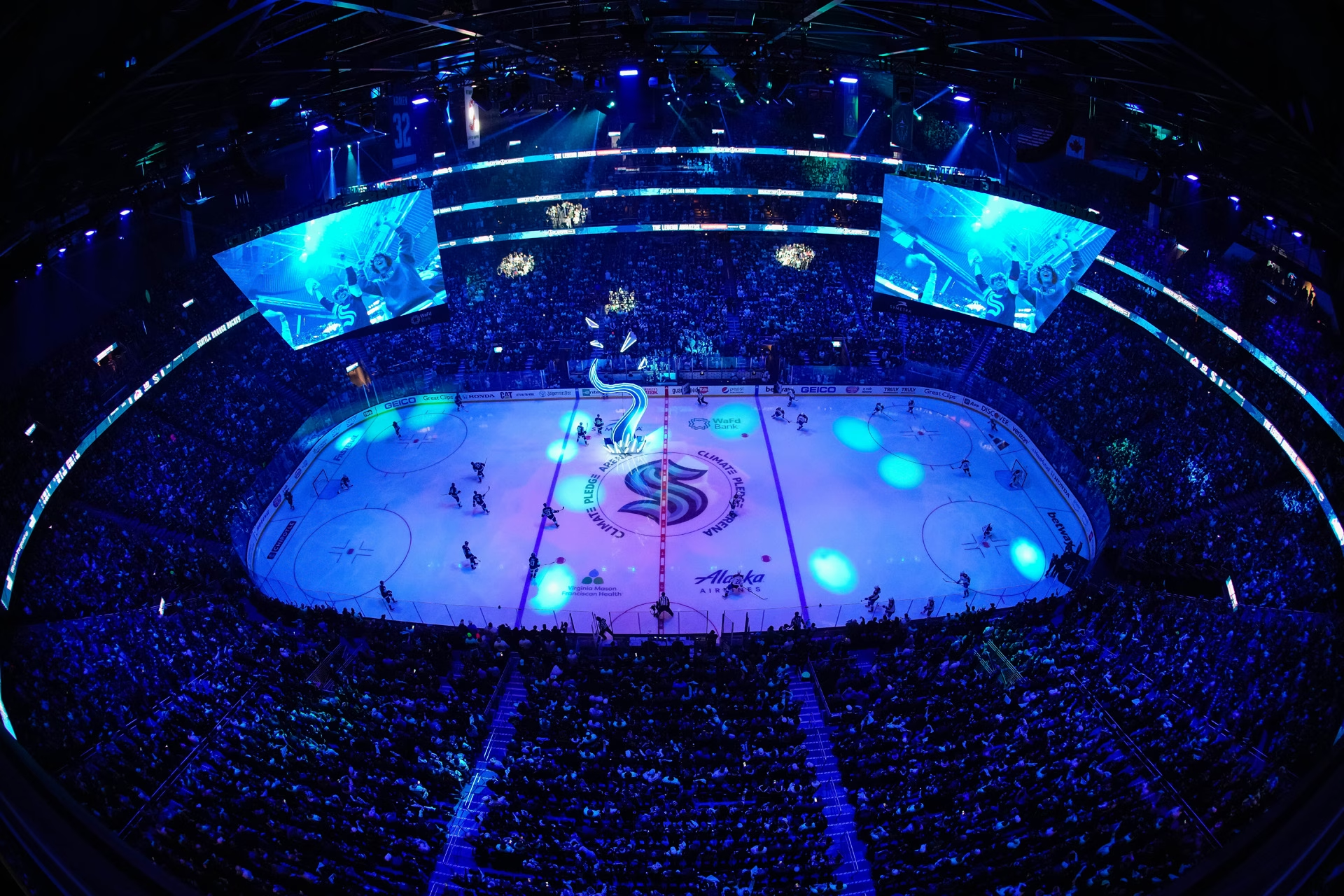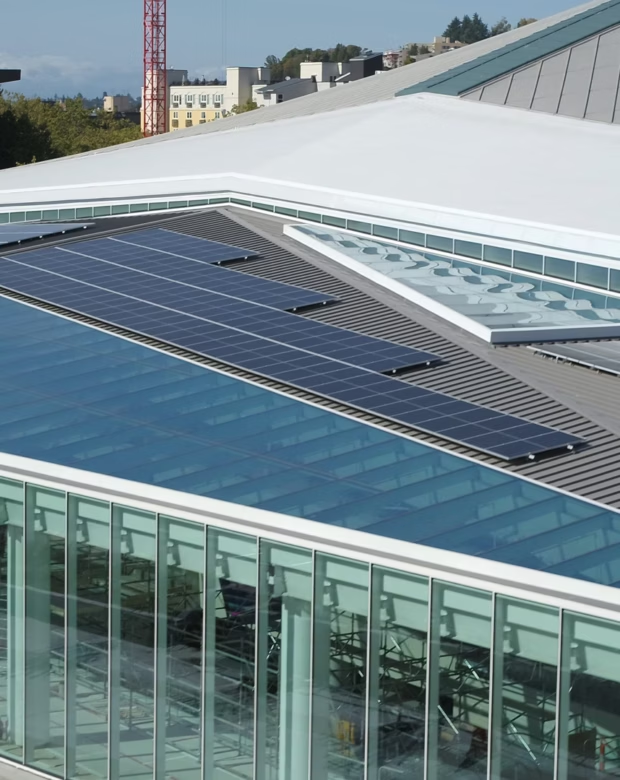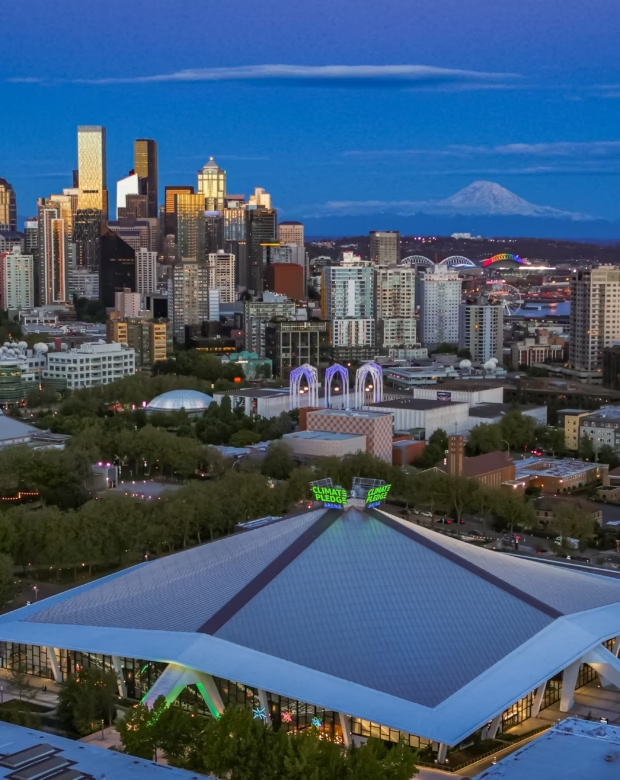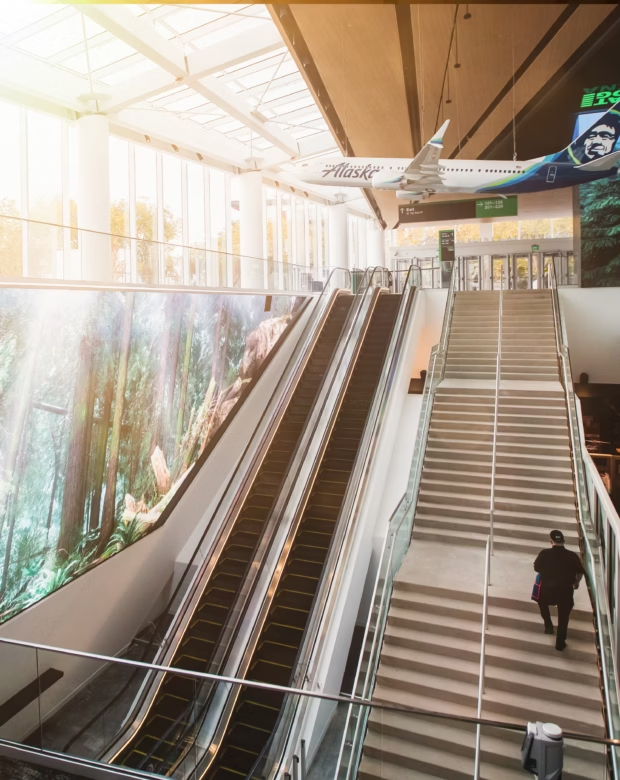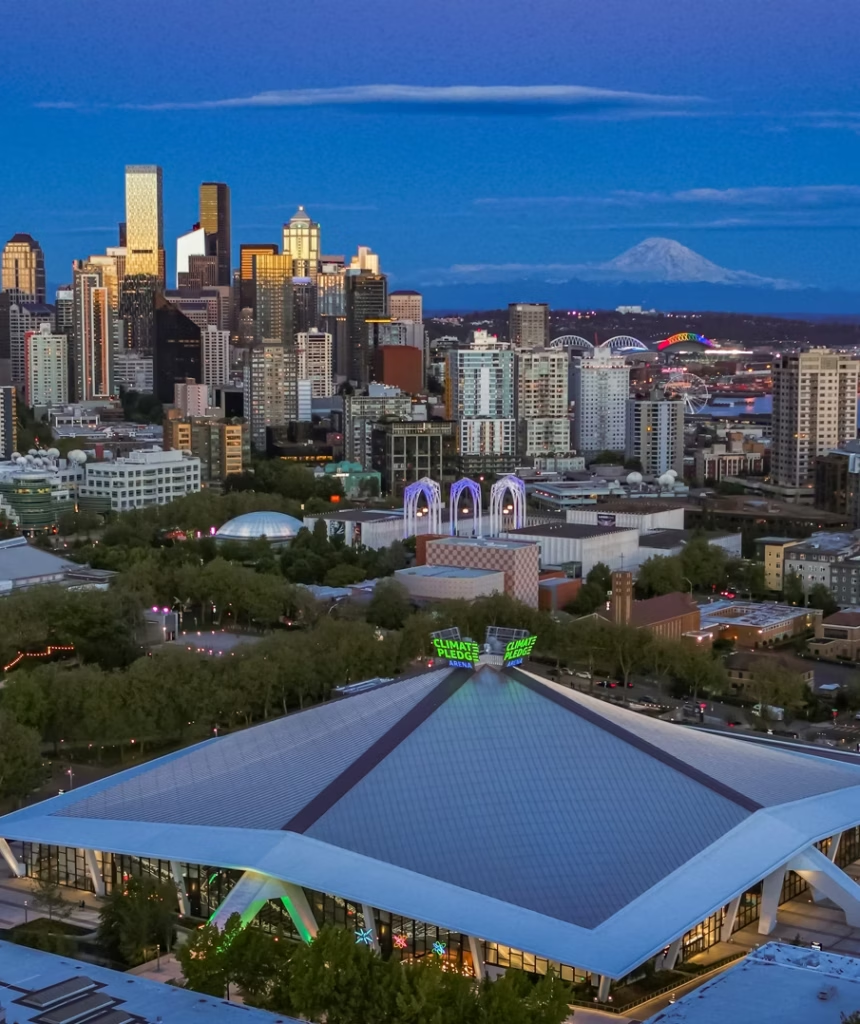
- Rainwater Harvesting ("Rain to Rink"): An innovative system collects rainwater from the roof, stores it, and uses it to create the ice for Seattle Kraken games, conserving water resources. Over 120,000 gallons were collected in the second operating year.
- Zero Waste Initiatives: The arena has achieved TRUE Platinum certification for operating as a functionally zero waste facility, diverting over 90% of waste from landfills. This is achieved through comprehensive recycling, composting, and the elimination of single-use plastics by 2024. They reached a 92-93% diversion rate in their first few years.
- Sustainable Transportation: Event tickets double as free public transit passes, encouraging fans to use buses and light rail, thus reducing carbon emissions from transportation. Public transit usage has ranged from 11% to 24% depending on the type of event.
- Embodied Carbon Reduction: The project prioritized using low-carbon and recycled materials during construction and renovation, significantly reducing the carbon footprint associated with the building's materials.
- Water Conservation: Beyond the "Rain to Rink" system, the arena employs waterless urinals and low-flow fixtures to reduce overall water usage.
- Offsetting Remaining Emissions: The arena tracks and offsets 100% of its operational carbon emissions, including those from fan travel that cannot be eliminated through other means. In its second operating year, they offset 20,929 metric tons of carbon.
The developer transformed the arena complex to a true year-round destination, generating significant returns while at the same time revitalizing one of the most iconic venues in the U.S. The venture represents the most significant private investment ever made in Pacific Northwest sports and entertainment history due to its sheer scale, comprehensive redevelopment, and long-lasting impact on the region's sports and entertainment landscape.